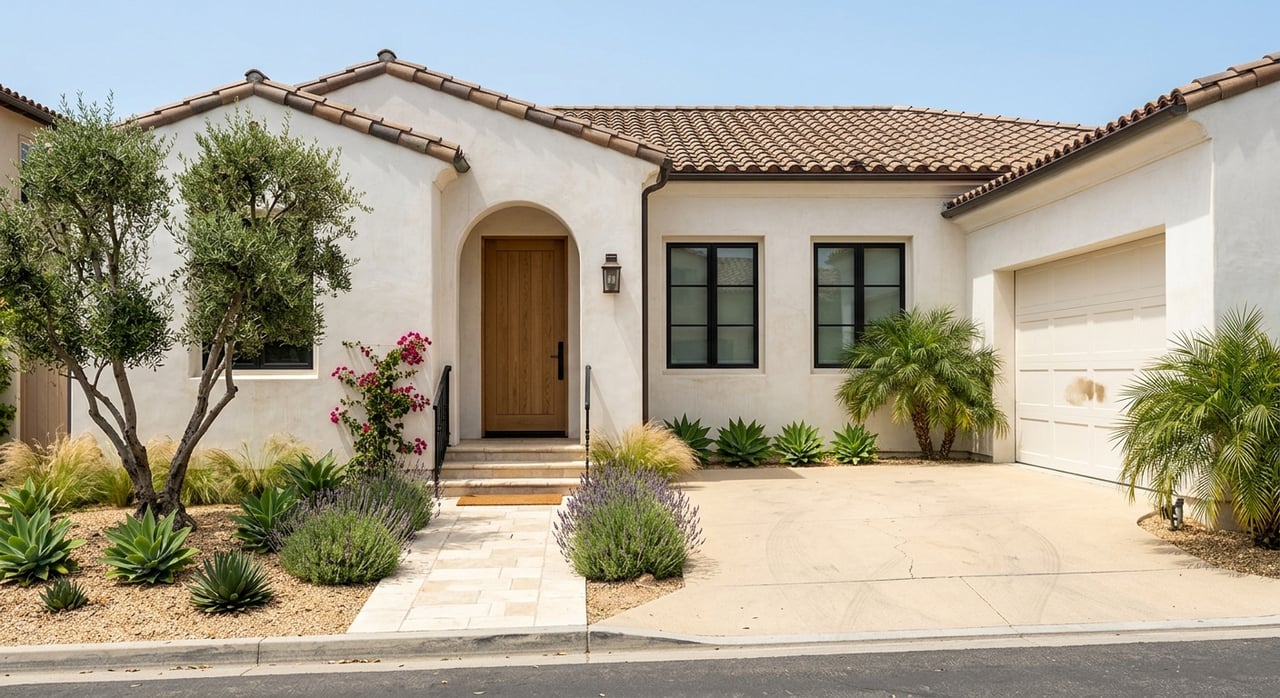
If your mental picture of Calabasas starts and ends with gated estates and celebrity gossip, you are missing the part that matters most when you are deciding where to live. Day to day, Calabasas feels far more like a scenic, residential community with trail access, shopping clusters, and a suburban rhythm than a nonstop headline machine. If you are weighing a move here, this guide will help you understand what everyday life actually looks like, from housing and errands to outdoor time and commuting. Let’s dive in.
Calabasas feels more residential than flashy
Calabasas sits in the foothills of the Santa Monica Mountains, along the western edge of the San Fernando Valley and the eastern edge of the Conejo Valley. The city describes itself as a predominantly residential community shaped by hillside topography and suburban-edge development, not a dense urban core.
That distinction matters when you picture your routine. You are more likely to experience winding roads, neighborhood streets, and open space nearby than a packed downtown environment. In 2024, the city’s population estimate was 22,256, which also helps explain why Calabasas often feels more contained and local than outsiders expect.
Daily life is built around villages
One of the biggest surprises for many buyers is that Calabasas does not revolve around one traditional downtown. Instead, it uses a village-style commercial pattern, with several shopping and dining nodes spread across the city.
Old Town Calabasas is planned to preserve a historic retail district and maintain a distinct sense of place. The Commons at Calabasas adds another major destination with open-air shopping, dining, and entertainment, open daily with complimentary self-parking. The Calabasas Chamber also points to additional retail areas like Calabasas Plaza, Plaza Calabasas, The Summit, Creekside Village, Gelson's Village, Las Virgenes Village, and Malibu Canyon Plaza.
For you, that means errands can feel convenient without the pace of a major urban center. You can usually think in terms of small commercial hubs rather than one crowded core. It is a practical setup for residents who want access to daily needs while still living in a mostly residential setting.
Outdoor access is a real part of the lifestyle
If being outside is part of how you want to live, Calabasas has substance behind the image. The city’s Trails Master Plan is designed to create a connected pedestrian, equestrian, and bicycle trail system linking open space, public facilities, and nearby regional parks.
The city highlights access to places like Upper Las Virgenes Canyon Open Space Preserve, Bark Park Trail, Las Virgenes View Trail, the Juan Bautista de Anza National Historic Trail, Cold Creek or Secret Trail, King Gillette Ranch, and Malibu Creek State Park. That range gives residents options for shorter local outings or longer weekend adventures.
Las Virgenes View Park alone covers 696 acres and offers views toward Malibu Creek State Park, Stokes Canyon, Saddle Peak, Goat Buttes, and Lady Face Mountain. Malibu Creek State Park, located in Calabasas about four miles south of Highway 101 on Las Virgenes or Malibu Canyon Road, supports hiking, bird-watching, mountain biking, rock climbing, horseback riding, fishing, and camping.
A key local improvement is the Don Wallace Multi-Use Trail Connector, which opened as the first Los Angeles County trail allowing safe passage under the 101. It connects users to MRCA trails, Las Virgenes Creek trails, and the Malibu Creek State Park system. In practical terms, that strengthens the feeling that outdoor access here is not just scenic marketing copy. It is woven into how the area functions.
Housing is broader than the luxury stereotype
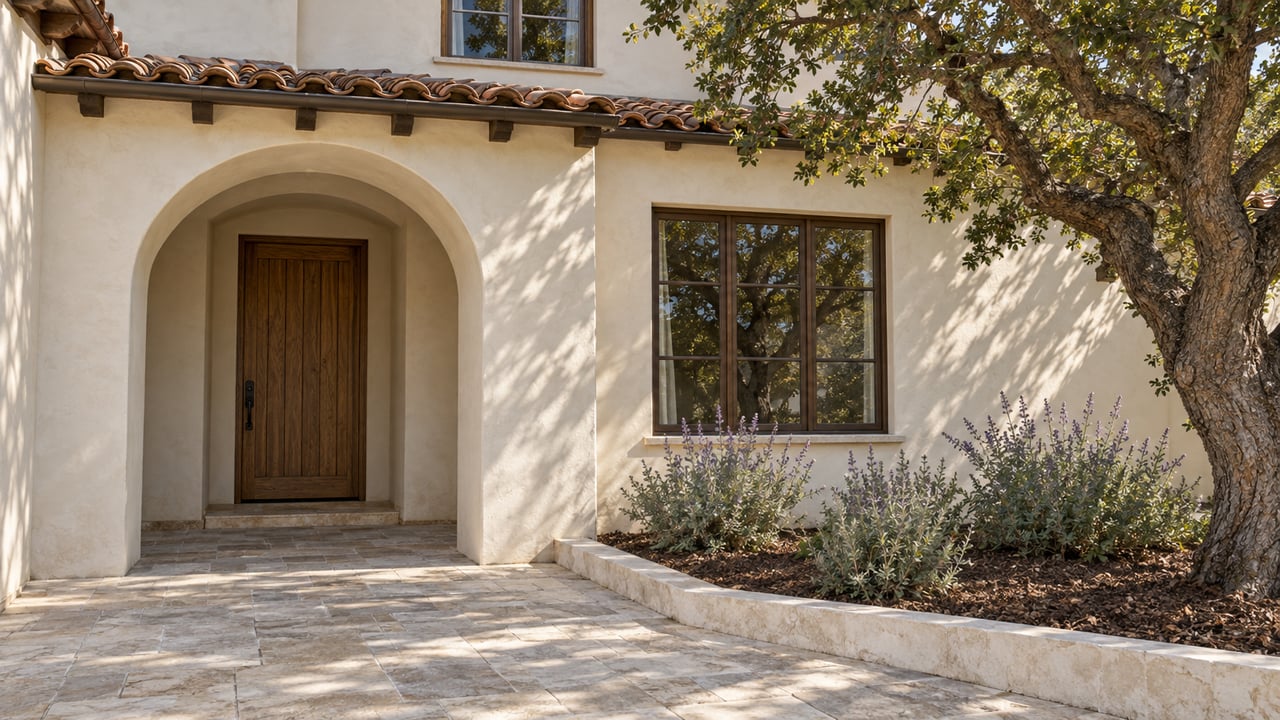
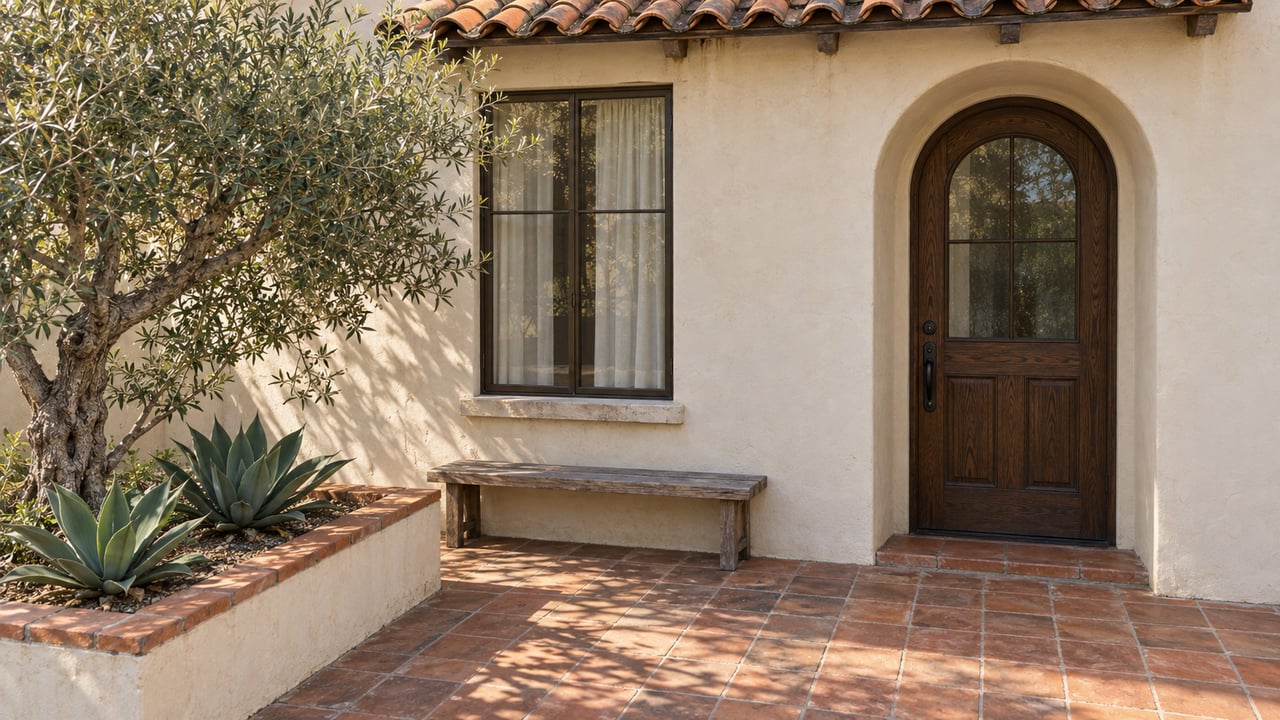
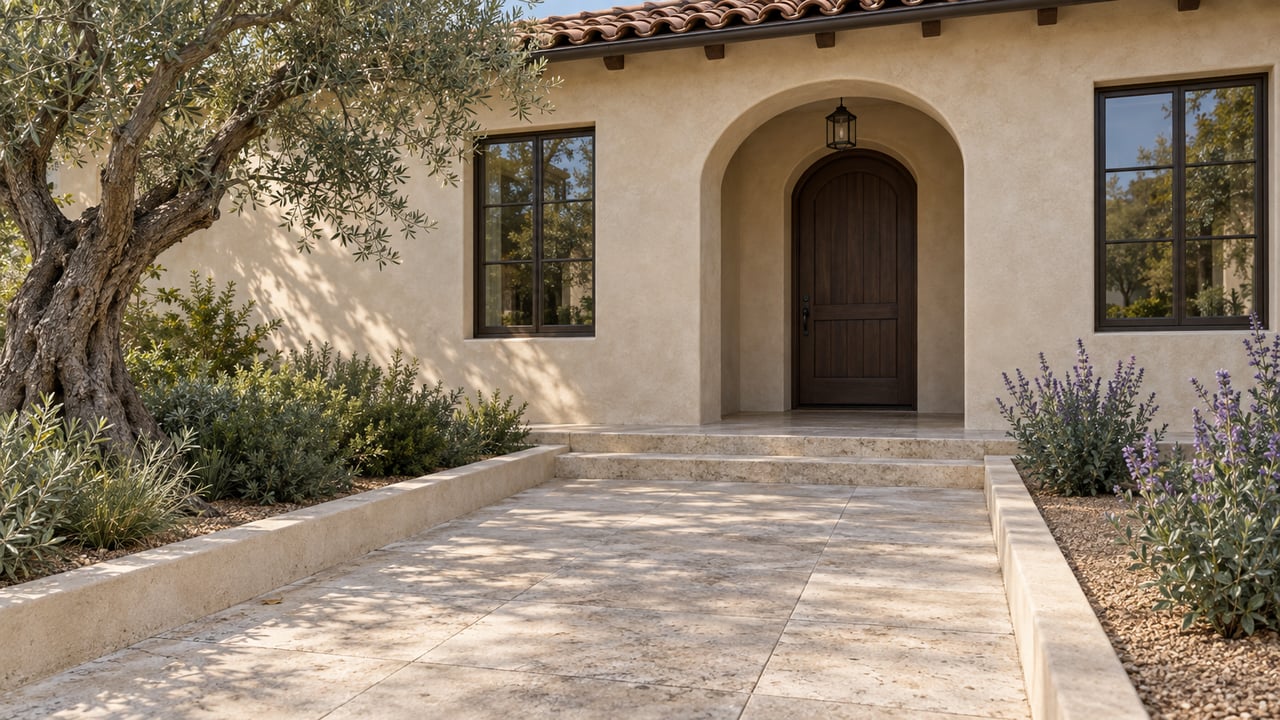
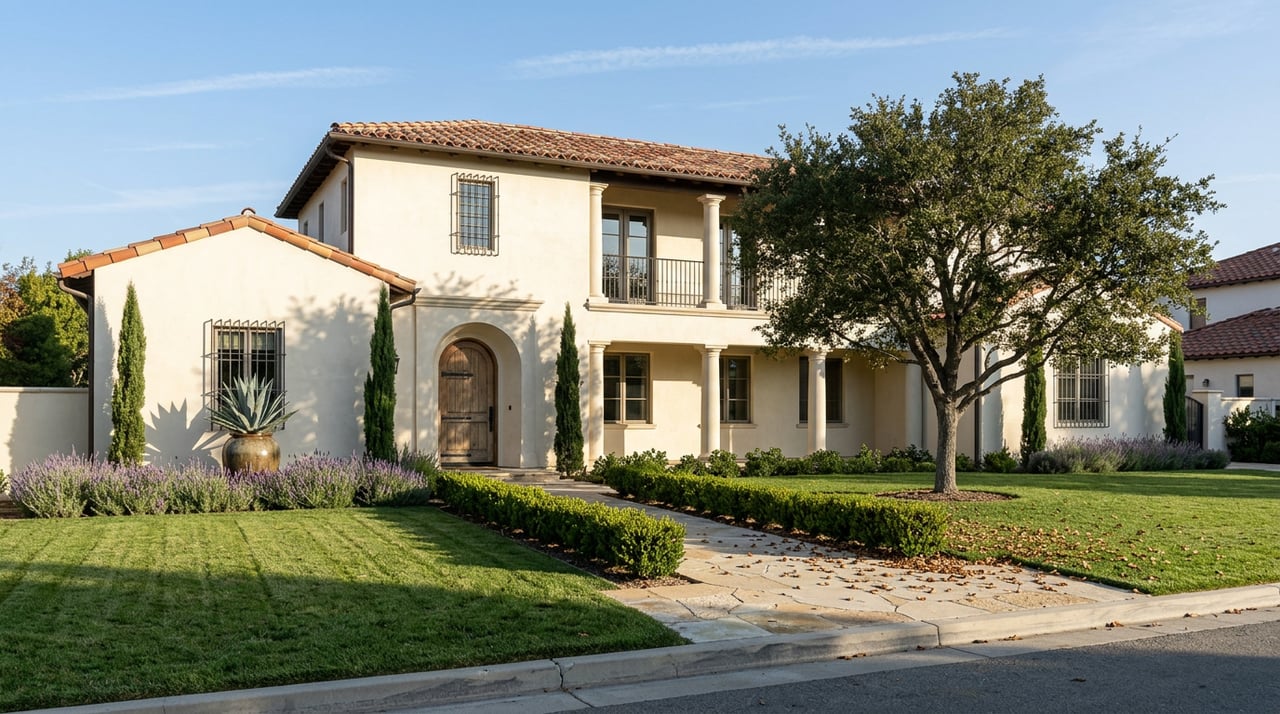
Calabasas is often associated with high-end homes, and the city is unquestionably expensive. But the housing mix is more varied than many people assume.
City housing materials report about 9,200 housing units as of 2020. More than three-quarters are single-family homes, while the remainder is made up largely of multifamily apartments and condominiums, along with Calabasas Village Mobile Estates.
The city also lists several rental communities, including Malibu Canyon Apartments, Malibu Creek Apartments, Avalon Apartments, Canyon Creek Senior Affordable Housing Community, Horizons at Calabasas 55+, and Paxton Calabasas. That does not make Calabasas a low-cost market, but it does show that your options may include more than detached luxury homes.
Calabasas is premium priced
It is important to go into this market with a realistic budget. Census QuickFacts reports a 2019 to 2023 median owner-occupied housing value of $1,453,900, a median gross rent of $3,070, and median monthly owner costs with a mortgage above $4,000.
Zillow’s March 31, 2026 home value index places the average home value in Calabasas at $1,722,904. The city’s median household income is $157,938, which helps frame the cost level, but it does not change the fact that this is a high-price market by almost any standard.
For buyers, that means planning matters. If you are considering Calabasas, it helps to compare not just the purchase price, but also your expected monthly payment, maintenance expectations, and the tradeoff between home type, location, and lifestyle.
Nearby markets help define the value
Calabasas sits in an interesting position compared with nearby markets. Zillow shows Agoura Hills at $1,259,726 and Woodland Hills at $1,211,951, both below Calabasas, while Malibu is much higher at $3,142,247. Santa Monica comes in close to Calabasas at $1,703,948.
That puts Calabasas in a middle space between some lower-cost west valley alternatives and the premium coastal tier. If you are deciding where to focus your search, this context can be useful. Calabasas may appeal to you if you want a scenic, suburban setting with strong outdoor access and a premium feel, but without stepping all the way into Malibu-level pricing.
Commuting is still largely car-based
Calabasas offers public transit programs, but daily life is still mostly shaped by driving. The city runs six transit programs, including a fare-free fixed route, school-year peak-hour routes, weekend microtransit, Dial-A-Ride, and a summer Beach Bus.
Even with those services, city planning materials identify U.S. 101 as the primary regional access corridor, and the Las Virgenes gateway area is described as a route to Malibu and the Santa Monica Mountains. The Census Bureau reports a mean travel time to work of 34.4 minutes.
If you work outside the city, your commute will likely be an important quality-of-life factor. Local errands may be manageable thanks to the retail nodes and city services, but many residents still rely on the car for work and regional travel.
The real appeal is balance
So what is it actually like to live in Calabasas beyond the headlines? The clearest answer is that it offers a balance many buyers are looking for: a mostly residential setting, access to open space, convenient shopping clusters, and housing that ranges beyond the most photographed estates.
At the same time, that balance comes at a premium price, and the area remains largely driving-oriented. If you are drawn to scenic surroundings and a quieter suburban feel, Calabasas may be a strong fit. If you want a dense urban experience or a lower entry point, it may make sense to compare it carefully with nearby options.
When you look past the celebrity image, Calabasas reads less like a spectacle and more like a practical lifestyle choice for people who value space, access, and a polished suburban setting. The key is knowing what you are paying for and whether that daily rhythm matches the life you want.
If you are thinking about buying, selling, or renting in Calabasas or nearby communities, the right guidance can make it easier to compare options and move forward with confidence. The Madge & Hamilton Group brings calm, practical support to every step.
FAQs
What is everyday life in Calabasas like?
- Everyday life in Calabasas is more residential and suburban than many people expect, with neighborhood living, village-style shopping areas, and easy access to trails and open space.
What types of homes are available in Calabasas?
- Calabasas includes mostly single-family homes, along with apartments, condominiums, and Calabasas Village Mobile Estates, according to city housing materials.
Is Calabasas walkable for errands?
- Calabasas has several shopping and dining nodes that can make errands convenient, but the city is still largely car-oriented overall.
How expensive is housing in Calabasas?
- Census data shows a median owner-occupied housing value of $1,453,900 and median gross rent of $3,070, while Zillow’s March 2026 home value index places the average home value at $1,722,904.
Does Calabasas offer good outdoor access?
- Yes. The city connects residents to a growing trail network and nearby destinations such as Las Virgenes View Park and Malibu Creek State Park for hiking, biking, horseback riding, and more.
How does Calabasas compare with nearby markets?
- Based on the research provided, Calabasas is priced above Agoura Hills and Woodland Hills, below Malibu, and near Santa Monica, placing it between lower-cost valley options and the premium coastal tier.