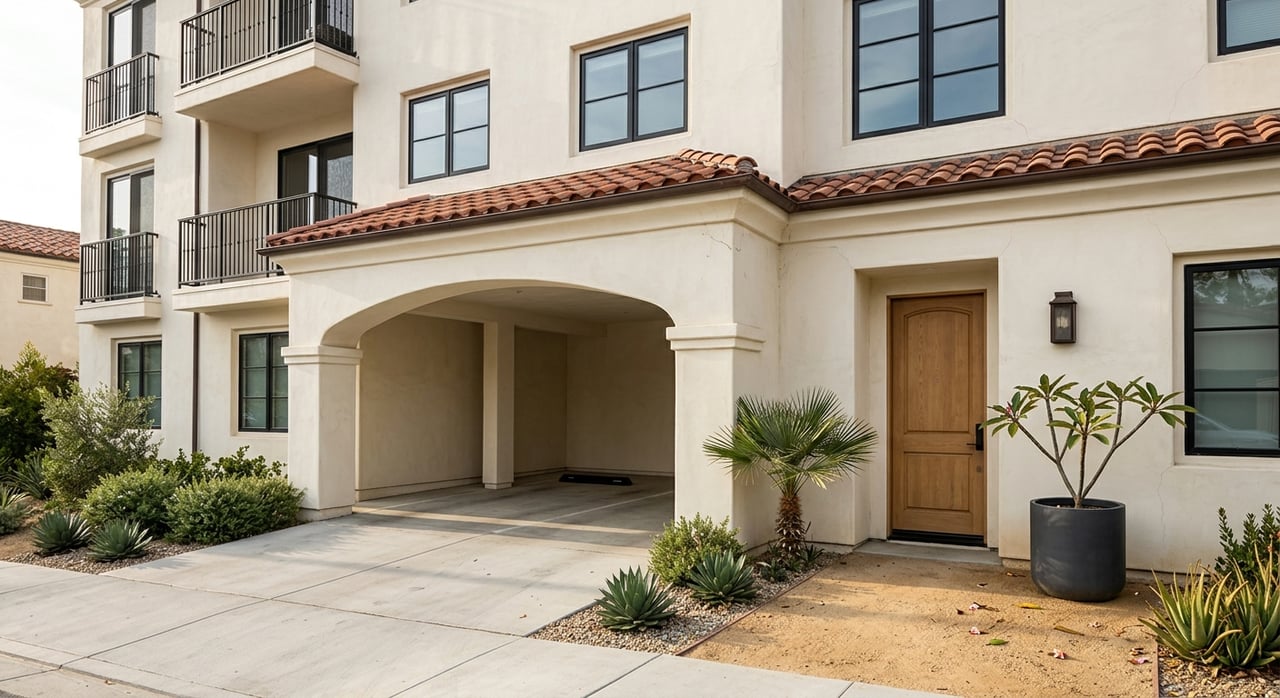
Buying a condo in Santa Monica can look simple from the outside. You find a great unit near the beach, picture the lifestyle, and imagine everything else will fall into place. In reality, a smart condo purchase here depends on much more than finishes and square footage. If you want to buy with confidence, you need to understand how HOA finances, building condition, parking, transit, and local rules all shape long-term value. Let’s dive in.
Why Santa Monica condos are different
Santa Monica is not just another Westside condo market. The city spans about 8.3 square miles, has roughly 93,000 residents, an estimated daytime population of 250,000, and more than 8 million annual visitors. That means your ownership experience can be shaped by daily activity, parking pressure, and beach traffic just as much as by the unit itself.
For many buyers, condo living here is really a lifestyle decision tied to coastal access. Santa Monica has three miles of Pacific beaches, and that access often leads buyers to accept smaller floor plans or higher dues in exchange for location. In other words, you are often buying proximity, convenience, and maintenance structure, not just interior space.
Transit also changes the equation. The city highlights Big Blue Bus service, and the Metro Expo Line has connected Santa Monica to Downtown Los Angeles in under an hour since 2016. If you are weighing commute time, walkability, and parking tradeoffs, those transportation options can play a major role in where a condo makes sense for you.
Start with your real priorities
Before you tour condos, get clear on what matters most in your day-to-day life. In Santa Monica, the right purchase is often the one that best balances beach access, commute needs, parking, and building upkeep.
Ask yourself a few practical questions:
- How often will you drive versus use transit
- How important is walkability to shops, work, or the beach
- Do you need deeded parking for one or two cars
- Are you comfortable with an older building if the HOA is well run
- Do you want a lower-maintenance lifestyle even if dues are higher
This kind of clarity helps you avoid chasing a beautiful unit that does not work for your routine. It also keeps you focused when comparing very different properties across Santa Monica.
HOA documents matter as much as the condo
One of the biggest mistakes buyers make is treating HOA paperwork like background noise. In California, the seller must provide key HOA documents, including governing documents, a current annual budget report, assessment and fine information, unresolved violation notices, defect-related materials, rental prohibitions in the governing documents, board minutes if requested, and the most recent exterior elevated elements inspection report.
That packet tells you how the building is run, what risks may be coming, and whether monthly dues are supporting the property in a realistic way. In many Santa Monica condo purchases, the HOA documents reveal more about future costs than the kitchen or flooring ever will.
California law also requires the association to provide requested documents within 10 days after written request, and delivery can be electronic. If the packet is delayed, incomplete, or difficult to obtain, that should get your attention. A smooth and organized document process often says something important about the association itself.
What to review in the HOA packet
When you review the disclosures, focus on the items that affect ownership costs and future repairs.
Your checklist should include:
- CC&Rs
- Bylaws
- HOA rules
- Annual budget report
- Reserve summary and reserve funding plan
- Insurance summary
- Board minutes
- Rental restrictions
- Special assessment history
- Most recent balcony or exterior-elements report
If anything is unclear, ask questions early. It is much easier to clarify an issue during due diligence than after closing.
Pay close attention to reserves and special assessments
The annual budget report deserves extra scrutiny. California requires this report to include a pro forma operating budget, reserve summary, reserve funding plan, deferred major repairs, whether special assessments are expected, outstanding loans, and an insurance summary that includes policy limits and deductibles for several coverage types.
For you as a buyer, the key question is simple: are the dues actually enough to support the building? A low monthly HOA fee can look attractive at first, but it may not be a bargain if the association is underfunded. In a coastal city like Santa Monica, deferred maintenance and light reserves can turn into expensive special assessments later.
If you plan to use FHA or VA financing, confirm the project’s approval status early. The annual budget report is supposed to include FHA and VA condominium status, and that can affect your financing path.
Older versus newer Santa Monica condos
Santa Monica has a long condo-conversion history. The city says the TORCA program allowed apartment buildings to be converted into condominiums and later expired in 1996. That means some older condo inventory may be conversion-era housing rather than purpose-built condo construction.
That history does not automatically make an older condo a bad choice. Many older buildings can be solid options. It does mean you should verify the building’s condition, layout efficiency, parking setup, and what the HOA maintains versus what belongs to the individual owner.
Older buildings may also show more variation from one property to the next. You may see differences in storage, sound transfer, common-area upkeep, balcony conditions, and reserve funding. That is why a careful review of inspections, reserve planning, and HOA records matters so much in Santa Monica.
Why building maintenance deserves extra attention
California requires HOA boards to inspect major components at least every three years and review the reserve study annually. The study must identify major components with less than 30 years of remaining life, estimate repair or replacement costs, and outline a reserve funding plan.
For Santa Monica buyers, that matters because coastal conditions can be hard on buildings over time. Waterproofing, exterior surfaces, and association-maintained systems deserve close review, especially in older properties. You want to understand not just the current appearance of the building, but also how well the HOA is planning ahead.
Balcony and exterior-element inspections
California also requires visual inspection of exterior elevated elements such as balconies, decks, stairways, walkways, and railings in condominium projects with three or more attached multifamily units. The inspection must happen at least every nine years, and as of 2026 the most recent report is part of the mandatory disclosure package.
This is especially important in Santa Monica, where outdoor features can be a major part of the lifestyle appeal. If a unit has a balcony or the building includes elevated walkways and stairs, read that report carefully. It can help you understand current condition, remaining useful life, and whether any immediate safety or repair issues were identified.
Parking should be a top buying factor
In Santa Monica, parking is not a minor detail. It is one of the most practical and important parts of condo ownership. Because the city has heavy visitor activity, a large daytime population, and beach-area parking rules, you should treat parking as a core purchase criterion.
Do not assume one space will be enough just because the condo itself feels right. Look closely at whether the space is deeded, how easy it is to access, whether guest parking exists, and whether nearby public or city parking is a realistic backup.
The city’s overnight beach resident and guest permits are limited to residents in specified beach-area zones and are valid only in designated city beach lots. So if a property has limited parking near the coast, verify exactly what alternatives exist and whether they will actually work for your lifestyle.
Transit and walkability can add real value
Parking challenges are real, but transit can help offset them. Big Blue Bus carries more than 16.5 million rides a year, and the Metro Expo Line gives Santa Monica a strong regional connection.
If you want to downsize, simplify your routine, or reduce driving, this can be a meaningful benefit. A condo with slightly less parking but better transit access may be more practical than a larger unit in a less connected location. The best value often comes from matching the property to how you really move through the city.
If you may remodel, check coastal rules early
If you are buying a condo with plans to remodel later, be careful not to assume every project will be simple. The California Coastal Commission says development in the coastal zone generally may not begin until a coastal development permit has been issued by the Commission or local government.
That does not mean every future update will be impossible. It does mean exterior changes or larger alterations may involve another layer of review. If remodeling is part of your long-term plan, it is smart to understand those rules before you buy.
If the condo is tenant-occupied, verify rent-control status
If you are buying a tenant-occupied condo, or if you may rent the property out later, verify the unit’s status with the City of Santa Monica. The city notes that some units, including some built after 1979 and some smaller owner-occupied properties, may be exempt from rent-control protections.
The key point is that legal status is fact-specific. You should confirm the rules that apply to that specific property rather than rely on assumptions. This is an area where a little extra diligence before closing can prevent major surprises later.
A practical Santa Monica condo buying strategy
If you want a simple framework, think about your condo search in two layers. First, find a location and unit that fit your lifestyle. Then verify that the building and HOA support long-term ownership.
A practical buying strategy includes:
- Define your must-haves for parking, transit, and beach access.
- Compare older and newer buildings based on maintenance history, not just appearance.
- Review HOA documents with close attention to reserves, insurance, rules, and assessments.
- Read the most recent exterior-element inspection report.
- Confirm financing fit early if you plan to use FHA or VA.
- Verify rental and occupancy rules if the property is tenant-occupied or may become a rental.
- Ask direct questions when anything in the documents feels vague or inconsistent.
This approach helps you buy with fewer surprises. It also keeps you grounded in the factors that matter most in Santa Monica, where ownership costs and lifestyle fit are closely connected.
A well-chosen Santa Monica condo can offer an excellent mix of coastal access, convenience, and lower-maintenance living. The key is to look beyond the photos and evaluate the building, the HOA, and the day-to-day realities with care. If you want calm, practical guidance as you compare condos in Santa Monica and nearby coastal markets, Madge & Hamilton Group is here to help.
FAQs
What should you review before buying a condo in Santa Monica?
- Review the HOA packet, including CC&Rs, bylaws, rules, annual budget report, reserve information, insurance summary, board minutes, rental restrictions, special assessment history, and the latest exterior-elements inspection report.
Why are HOA reserves important for a Santa Monica condo buyer?
- HOA reserves help show whether the building is saving enough for future repairs and replacements, which can reduce the risk of unexpected special assessments.
Are older condo buildings in Santa Monica a problem?
- Not necessarily. Older condos can be good options, but they usually require closer review of maintenance history, reserve funding, parking setup, and exterior conditions.
How important is parking when buying a condo in Santa Monica?
- Parking is a major factor because Santa Monica has heavy visitor traffic, a large daytime population, and specific parking rules in some beach areas.
Should you verify rental rules before buying a Santa Monica condo?
- Yes. If the condo is tenant-occupied or you may rent it out later, confirm the property’s legal status and any HOA rental restrictions before closing.