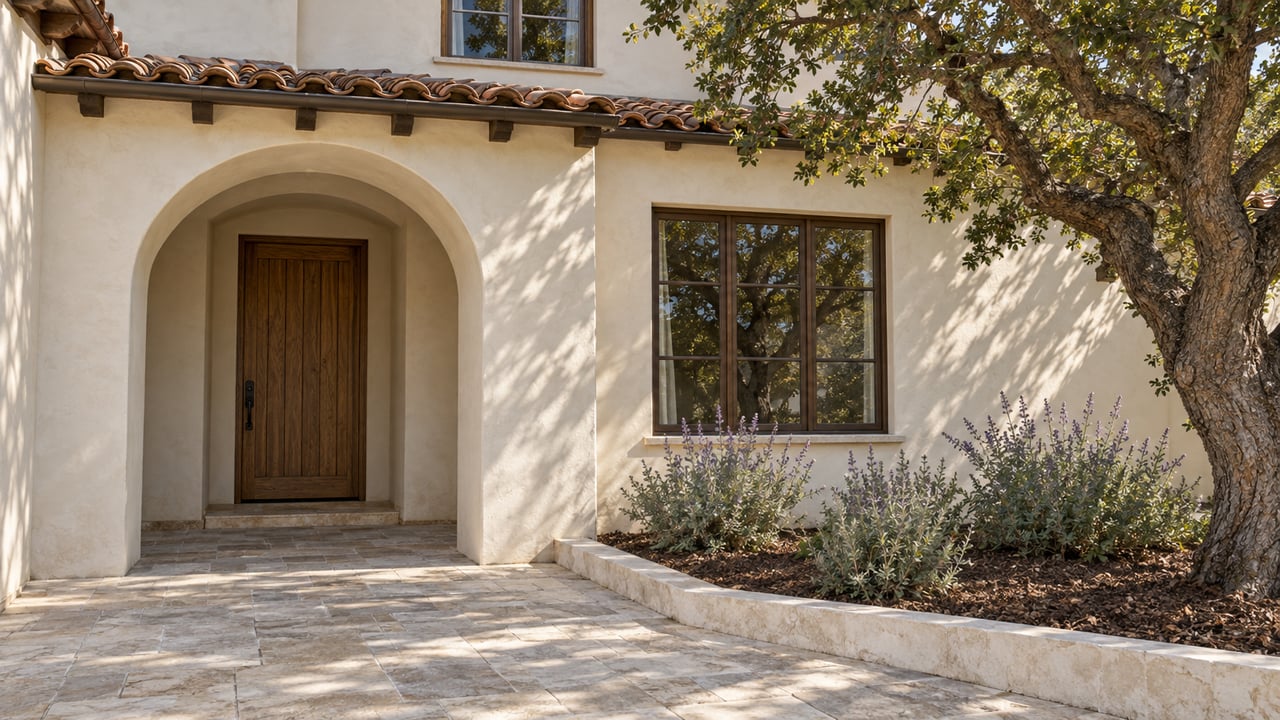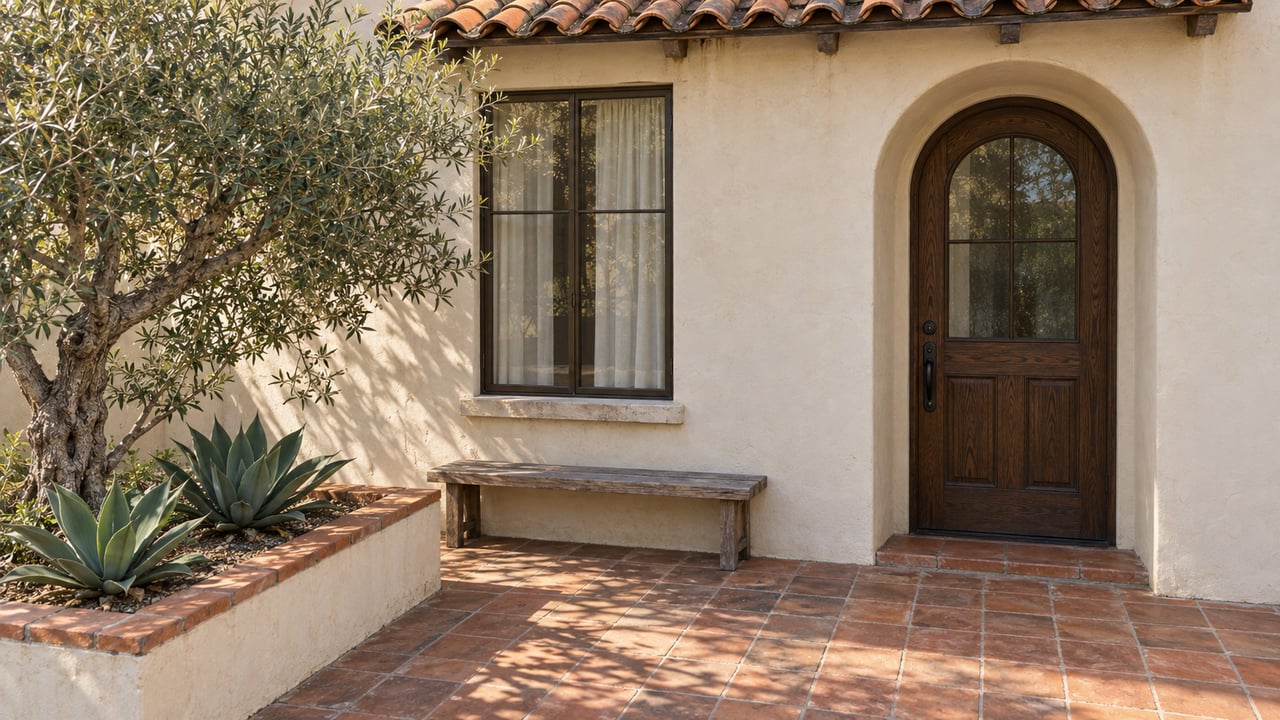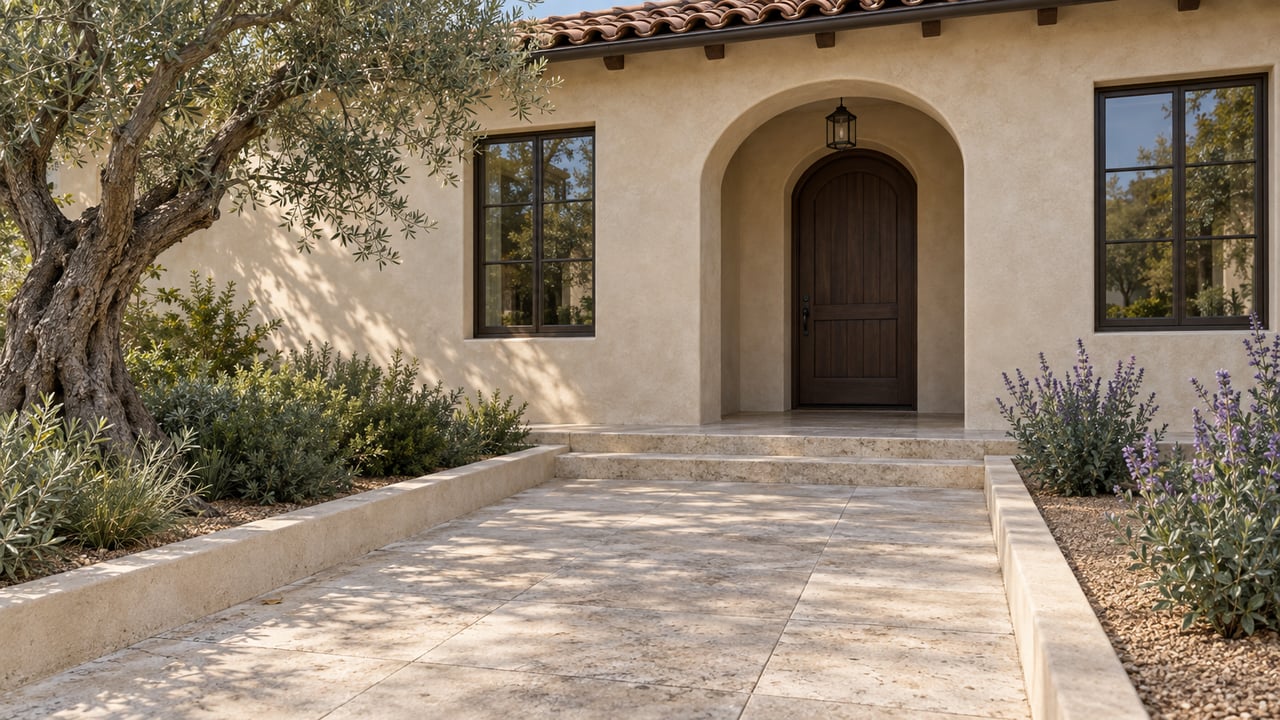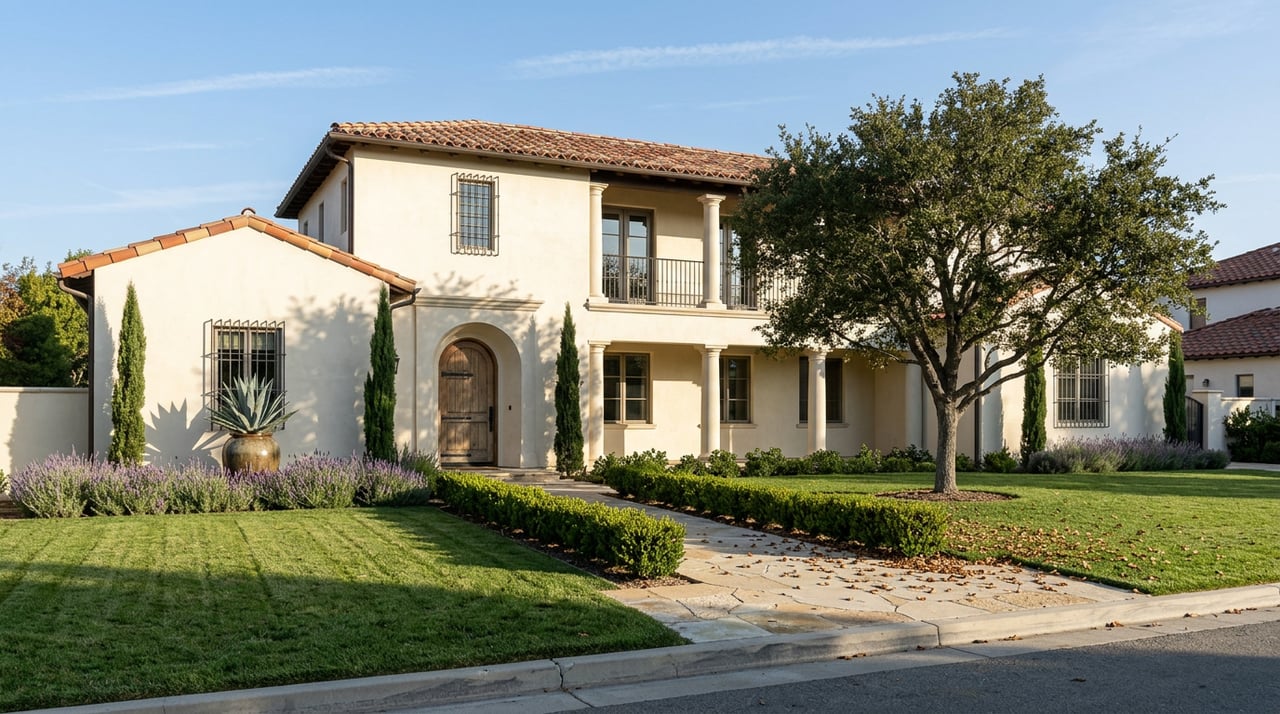
Thinking about Westlake Village because you want a polished Southern California lifestyle without living in the middle of a dense city? That instinct makes sense. If you are comparing commutes, home styles, daily convenience, and the overall feel of the area, it helps to know what day-to-day life here actually looks like before you make a move. Let’s dive in.
Westlake Village at a glance
Westlake Village is a small master-planned community in the northern foothills of the Santa Monica Mountains. It sits about nine miles inland from the Pacific Ocean and 38 miles west of downtown Los Angeles, with about 5.4 square miles and roughly 8,378 residents.
That smaller scale is part of the appeal. Instead of feeling sprawling or overly urban, Westlake Village tends to feel organized, polished, and residential, with shopping, dining, and recreation woven into a suburban layout.
One detail many buyers miss at first is that the original master-planned community crosses the Los Angeles and Ventura county line. That means a home with a Westlake Village mailing identity may not always be inside the incorporated City of Westlake Village, so it is smart to verify the exact city and county for any address you are considering.
What daily life feels like
If you are moving from a denser part of Los Angeles, Westlake Village will likely feel calmer and more spread out. Daily life here is often built around a predictable rhythm of driving to work, school, appointments, or errands, then returning to a more residential setting at the end of the day.
The city includes about 850 commercial and light-industrial firms, but retail activity is concentrated in a few well-known centers rather than spread across a traditional downtown grid. For many residents, that makes errands simpler because the basics are clustered in recognizable destinations.
You can think of Westlake Village as a place where convenience comes from planning and layout, not from living in a highly walkable urban core. If that sounds like your ideal balance, it is worth a closer look.
Shopping and dining are easy to access
The Promenade at Westlake is one of the main lifestyle anchors in the area. It is an open-air shopping, dining, and entertainment destination that operates year-round and includes a mix of retail, restaurants, and cinema options.
Current listings there include brands such as Barnes & Noble, Sephora, Pottery Barn, RH, Williams Sonoma, lululemon, Vuori, and Cinépolis Luxury Cinemas, along with a coming Whole Foods Market. Dining options highlighted by the center include RED O, Sweetfin, Bacio di Latte, La La Land Kind Cafe, and Fresh Brothers.
Westlake Plaza is another important everyday stop. It combines grocery, service, retail, and dining uses, and includes Gelson’s with extended daily hours as well as nearby Trader Joe’s at 3835 E Thousand Oaks Blvd.
For you as a future resident, the takeaway is simple: errands and casual outings can feel streamlined here. You may not have a classic downtown main street, but you do have well-established centers that cover a lot of everyday needs.
Outdoor access is a real strength
One of the biggest lifestyle advantages in Westlake Village is how easily outdoor time can fit into your week. The city says it has seven parks, including Berniece Bennett Park, Canyon Oaks Park, Foxfield Park, Russell Ranch Park, Three Springs Park, Westlake Village Community Park, and Westlake Village Dog Park.
The city also points residents toward hiking options in the surrounding Santa Monica Mountains, including Chesebro Canyon, Pentachaeta, Malibu Creek State Park, Wildwood Park, and the Wishbone Trail above Community Park. The National Park Service says the broader Santa Monica Mountains National Recreation Area offers more than 500 miles of trails.
If you value quick access to parks, walking paths, or weekend hiking, Westlake Village checks an important box. That access helps balance out the more car-oriented side of daily life.
Expect a car-oriented routine
This is one of the most important things to know before moving. Westlake Village supports commuter living well, but it is not best described as a transit-first place.
According to SCAG commute data, 82% of workers drove alone, 77.3% of households owned two or more vehicles, and the average one-way commute was 27 minutes. In addition, 36.1% of commuters spent more than 30 minutes getting to work.
The top destinations for residents included Los Angeles, Thousand Oaks, Westlake Village itself, Burbank, Agoura Hills, Calabasas, and Santa Monica. That pattern tells you a lot about how people use the area: many residents live here for the residential environment while commuting to work across a broader regional map.
Local transportation resources do exist. The city highlights Dial-A-Ride, pedestrian and bicycle safety resources, school transportation, and access to Thousand Oaks Transit, while traffic systems are designed to respond when freeway incidents divert cars onto city streets.
Still, for most households, day-to-day living is built around driving. If you want easy parking, suburban road networks, and a home base that supports regional commuting, that can be a plus. If you want to rely on transit for most daily movement, it may feel less convenient.
The housing mix is broader than many expect
Westlake Village is often associated with detached homes, and that reputation is supported by the data. SCAG reports that 70.1% of the housing stock is single-family detached.
But that is not the full story. The same local profile shows 18.4% single-family attached, 7.7% multifamily, and 3.8% mobile homes, while the city profile also references condominiums, lakefront residences, townhomes, and view-oriented estates.
That range matters if you are entering the market at different price points or with different goals. You may be looking for a lower-maintenance condo, a townhome as a first step into ownership, a single-family home with more space, or a higher-end property with specialty features.
In other words, Westlake Village is not one-note. It leans heavily toward detached suburban housing, but it still offers multiple ways to live in the community.
Housing stock is established, not brand-new
If you picture every home in Westlake Village as newly built, the numbers tell a different story. SCAG reports that 35.2% of the housing stock was built before 1970, while 64.8% was built after 1970.
That creates a mix of established tracts, later planned neighborhoods, and more specialized residential pockets. For you, that can mean more variation in floor plans, construction eras, remodeling history, and lot configurations.
This is where practical due diligence matters. When you tour homes in Westlake Village, it helps to look past surface finishes and pay attention to how a property has been maintained or updated over time.
What budget planning should look like
Westlake Village is a premium market, so it is important to enter your search with realistic numbers. Zillow’s Home Values Index placed the average Westlake Village home value at $1,606,309 as of April 30, 2026.
Realtor.com reported a median listing price of about $1.78 million and a median rental price of around $6,500 per month in March and April 2026. It also reported a median of 38 days on market and a 99% sale-to-list ratio.
For most buyers, that means pricing remains relatively firm. Detached homes are often the main target for move-up buyers, while attached homes can be a more approachable entry point, and rentals may still come with a significant monthly cost compared with many inland suburban options.
If you are early in the process, the most helpful first step is usually narrowing your comfort zone by property type. That often gives you a clearer picture than searching the entire market at once.
Questions to ask before you move
Before you choose Westlake Village, it helps to think through how the area matches your real routine, not just your wish list. A beautiful neighborhood fit matters most when it supports how you actually live.
Ask yourself:
- How often will you commute toward Los Angeles, Santa Monica, or nearby job centers?
- Do you want a detached home, or would a condo or townhome fit your budget and lifestyle better?
- How important is quick access to parks and trails?
- Are you comfortable with a driving-based routine for errands and social plans?
- Have you confirmed whether a target address is in the City of Westlake Village or in the broader adjacent community area?
Those questions can save you time and help you focus on the right parts of the market.
Who Westlake Village tends to suit
Westlake Village can be a strong fit if you want an upscale suburban setting, a well-kept residential environment, and easy access to shopping, dining, and outdoor recreation. It can also make sense if you are balancing a wider Southern California commute with a preference for a quieter home base.
It may be especially appealing if you like having several housing formats to compare, from condos and townhomes to single-family homes and more specialized properties. That flexibility gives buyers and renters more than one path into the area.
The best move, as always, is matching the market to your priorities. When you know your budget, commute needs, and preferred home style, Westlake Village becomes much easier to evaluate with confidence.
If you are weighing a move to Westlake Village and want practical guidance on neighborhoods, property types, or what to watch for as you narrow your options, the Madge & Hamilton Group can help you sort through the details with a calm, informed approach.
FAQs
Is Westlake Village walkable for everyday living?
- Westlake Village has convenient retail centers for shorter errands, but overall daily life is more suburban and car-oriented than pedestrian-first.
What types of homes are common in Westlake Village?
- Detached single-family homes are the most common, but you can also find condos, townhomes, multifamily options, mobile homes, lakefront residences, and view-oriented estates.
What is the typical commute pattern for Westlake Village residents?
- Commute data show that most residents drive, with 82% driving alone, an average one-way commute of 27 minutes, and many traveling to Los Angeles, Thousand Oaks, or other nearby job centers.
What is the housing market price range like in Westlake Village?
- Recent market snapshots show an average home value above $1.6 million, a median listing price near $1.78 million, and median rents around $6,500 per month.
What should buyers verify about a Westlake Village address?
- Buyers should confirm whether a property is inside the incorporated City of Westlake Village or in the adjacent portion of the original community across the county line.
What makes Westlake Village appealing for recreation?
- The area offers seven city parks and access to nearby Santa Monica Mountains trail systems, which makes outdoor time a meaningful part of the local lifestyle.