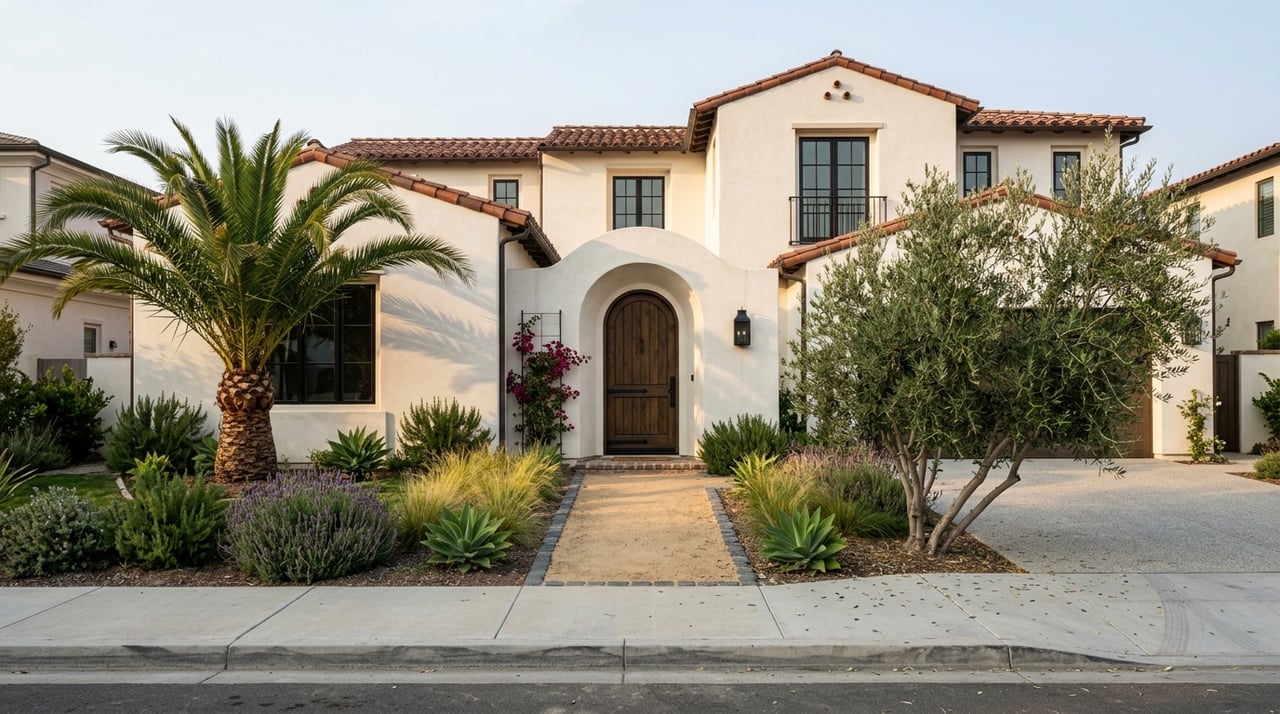
If you are thinking about living in Santa Barbara, you are probably asking two big questions: What does everyday life actually feel like, and what does it cost to buy into it? That is a smart place to start, especially in a market known for coastal beauty, historic character, and higher price points. Below, you will get a practical overview of Santa Barbara’s lifestyle, housing, transportation, and key buyer considerations so you can make a more confident move. Let’s dive in.
Santa Barbara at a Glance
Santa Barbara is a compact coastal city with 87,291 residents spread across 19.51 square miles, according to the U.S. Census QuickFacts. That smaller footprint helps shape daily life, with many parts of the city feeling connected to downtown, the waterfront, and established residential areas.
The climate is one of the city’s biggest lifestyle draws. NOAA normals cited by the Census show an annual mean temperature of 62.5°F, average annual precipitation of 18.98 inches, and no measurable snow. In practical terms, that means you can expect mild weather most of the year, with average January highs and lows of 66.8°F and 46.5°F, and July averages of 76.4°F and 60.2°F.
Santa Barbara Lifestyle
Santa Barbara’s lifestyle is closely tied to the coast. City information notes that the southern border includes four miles of beaches, and the waterfront supports activities like walking, biking, kayaking, sailing, and whale watching. For many residents, outdoor access is not an occasional perk. It is part of the weekly routine.
The city has also invested in making these areas easier to reach. The State Street Undercrossing project added wider sidewalks and protected bike lanes that connect downtown with the Waterfront and Funk Zone. That kind of infrastructure supports a more active, connected way of getting around.
Housing Character and Style
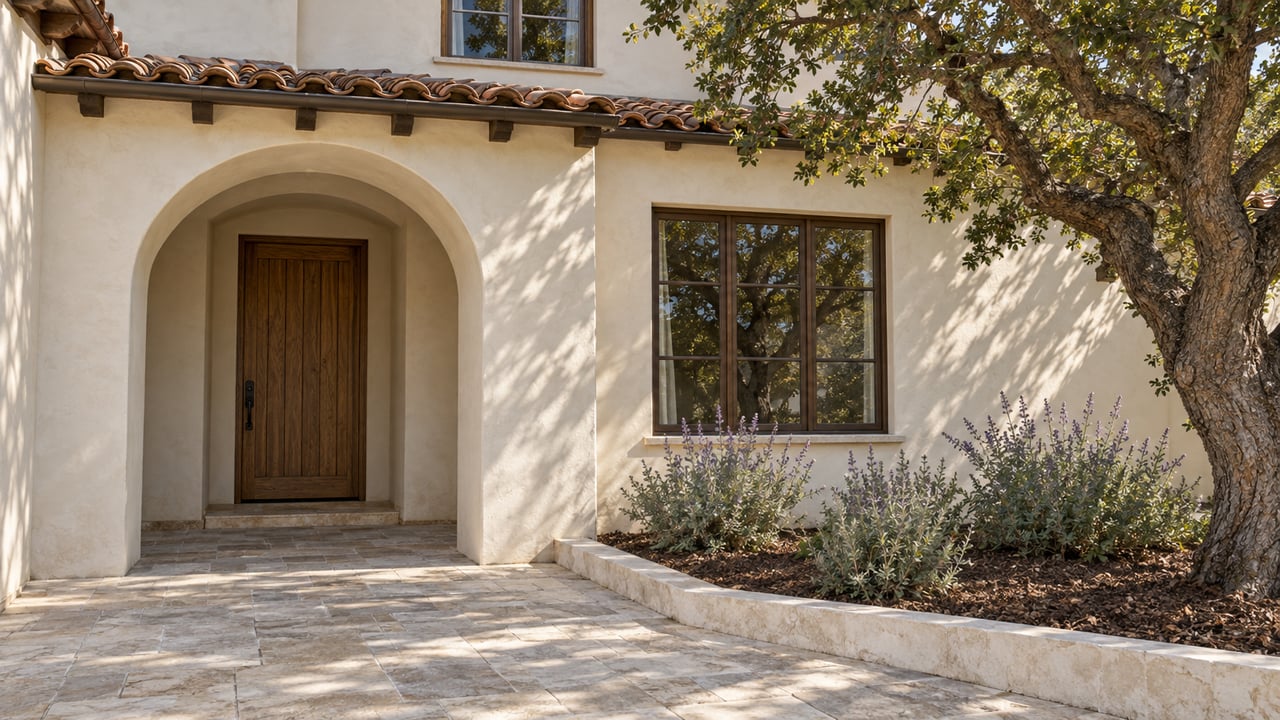
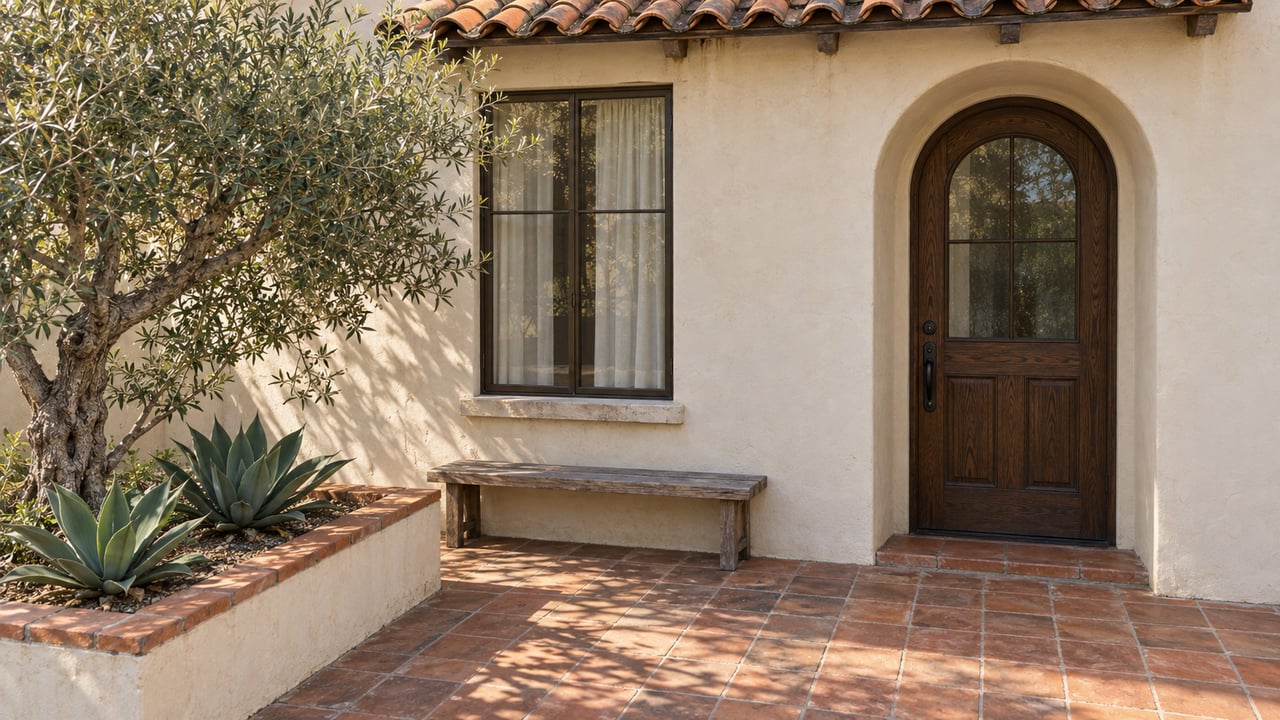
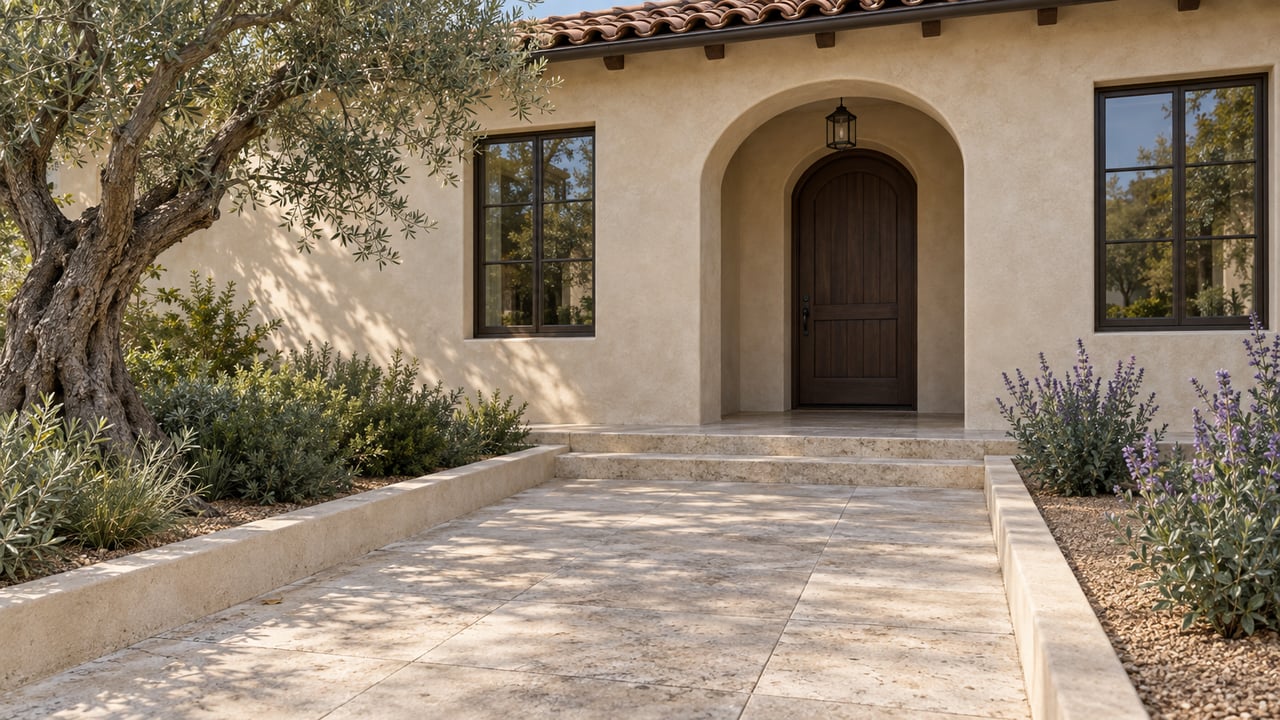
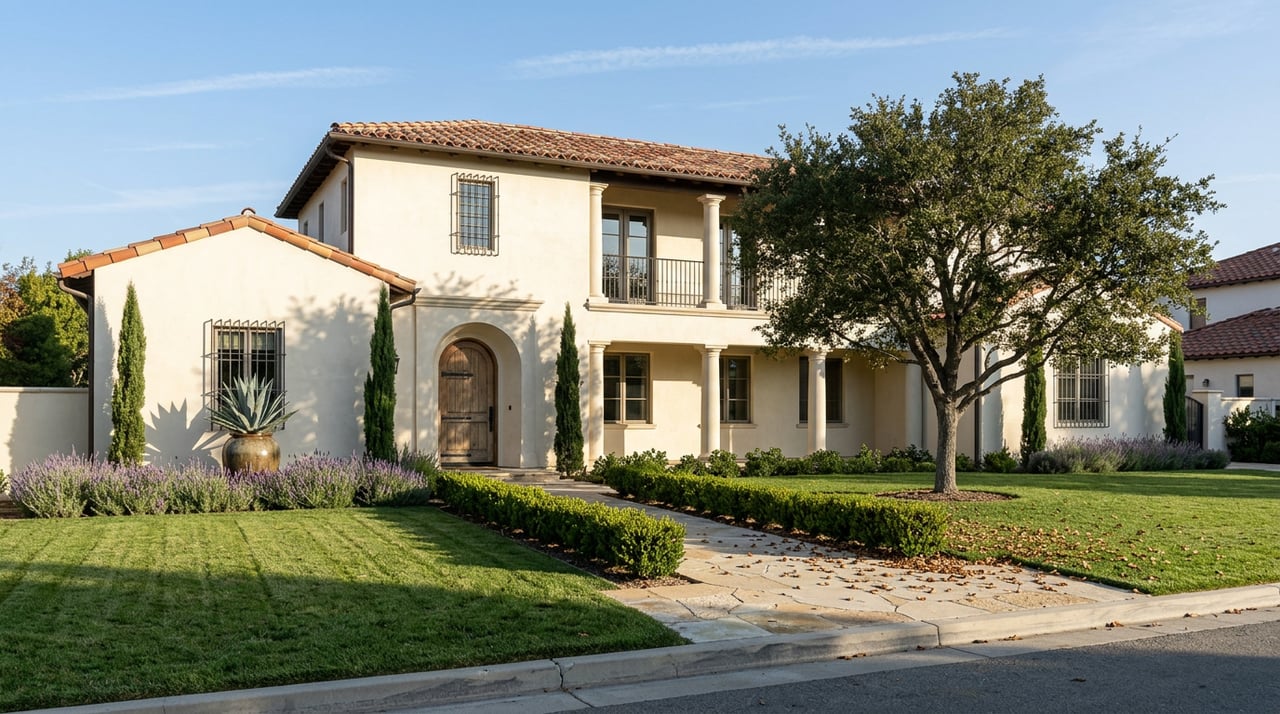
One of the most distinctive parts of living in Santa Barbara is the architecture. The city identifies a wide range of historic styles, including Adobe, Craftsman, Mission Revival, Queen Anne, Italianate, and Spanish Colonial Revival, which is especially central to the city’s identity. If you value homes with architectural detail, established streetscapes, and a strong sense of place, Santa Barbara stands out.
In the El Pueblo Viejo Landmark District, the city notes that contributing properties range from adobes and Victorian-era homes to 1920s storefronts. Buyers looking in historic areas should know that exterior changes may be subject to Historic Landmarks Commission review. That can help preserve neighborhood character, but it can also affect renovation plans.
For newer multi-unit development, Santa Barbara has adopted Objective Design Standards for projects with two or more units. The city’s Architectural Styles Map allows Mediterranean, Craftsman, and Contemporary style groups in selected areas, which shows how Santa Barbara is balancing housing growth with design consistency.
What Housing Costs Look Like
Santa Barbara is an expensive city by both county and regional standards. According to U.S. Census QuickFacts, the median value of owner-occupied housing units is $1.57 million, the median gross rent is $2,413, and the median monthly owner cost with a mortgage is $3,841.
Those figures are notably higher than Santa Barbara County overall. Countywide, the Census reports a median owner-occupied value of $790,700 and median gross rent of $2,131. That gap highlights an important reality: if you want to live within Santa Barbara city limits, you should be prepared for a premium compared with the broader county.
The city also has a lower owner-occupied housing rate than the county. Santa Barbara’s owner-occupied rate is 39.9%, compared with 52.4% countywide. That makes the city more renter-heavy than many nearby communities, which can matter if you are comparing long-term buying versus renting.
What That Means for Buyers
For buyers, Santa Barbara often requires a clear plan and realistic expectations. Limited land supply, strong design controls, historic preservation, and coastal demand all play a role in pricing. This is not a market where large-scale outward expansion is driving inventory.
Instead, city planning points toward incremental growth. The city’s Housing Plan EIR anticipates up to 8,001 new residential units during the 2023 to 2031 cycle, with most of that growth expected through infill and mixed-use development near downtown and transit.
That matters because new opportunities may be more likely to show up in redevelopment, multi-unit housing, and mixed-use settings rather than traditional large-scale subdivisions. If you are shopping in Santa Barbara, flexibility around housing type, location, and property age can open more options.
Historic Homes and Tax Considerations
If you are drawn to Santa Barbara’s older homes, there can be meaningful benefits alongside added complexity. The city’s Adaptive Reuse Ordinance, effective November 20, 2025, supports converting qualifying older nonresidential buildings into housing while also supporting downtown revitalization and historic preservation.
The same city resource notes that buyers of designated historic homes may be eligible for the Mills Act, which can reduce property taxes by 40% to 60% over a 10-year contract period. That is a significant consideration for buyers who appreciate historic properties and are comfortable with preservation-related responsibilities.
Getting Around Santa Barbara
Santa Barbara is relatively easy to navigate compared with many Southern California markets. The city’s mean travel time to work is 17.3 minutes, according to the U.S. Census QuickFacts. That is shorter than the countywide average of 20.8 minutes.
For everyday mobility, biking and walking are meaningful parts of the transportation picture. City planning documents describe a bicycle network of about 98.5 miles, including routes like the Beachway and the Las Positas/Modoc Path. If you prefer a market where shorter local trips can feel more manageable without always relying on long car commutes, that is a point in Santa Barbara’s favor.
Regional access is also solid. The city’s official transportation page lists Santa Barbara MTD and Amtrak as key options, including the Coast Starlight and Pacific Surfliner. Additional services include Clean Air Express, Greyhound, Santa Barbara Airbus, and VCTC, giving residents multiple ways to connect locally and beyond.
Coastal Planning and Long-Term Outlook
Living near the coast comes with advantages, but it also comes with planning realities. In March 2026, the city announced a Waterfront Adaptation Plan to address coastal flooding and erosion while preserving beach access, recreation, and boating, according to the Housing Plan EIR.
For buyers, this is part of the bigger picture. Santa Barbara is not just preserving what makes the city appealing today. It is also planning for how the waterfront and housing systems will function in the years ahead. That kind of long-range thinking can matter when you are evaluating location, property type, and future resilience.
Is Santa Barbara Right for You?
Santa Barbara can be an excellent fit if you want coastal access, mild weather, strong architectural character, and a city that blends lifestyle appeal with real planning structure. It can also be a good match if you value a more compact environment with shorter average commutes and access to biking, transit, and walkable areas.
At the same time, it is important to go in with a practical mindset. Prices are high, inventory is shaped by limited land and design oversight, and certain properties may come with historic review considerations. The right strategy often starts with understanding how your budget, goals, and flexibility line up with the market.
If you are considering a move to Santa Barbara and want clear, low-pressure guidance on how to evaluate your options, the Madge & Hamilton Group can help you navigate the process with responsive communication and practical insight.
FAQs
What is everyday life like in Santa Barbara?
- Everyday life in Santa Barbara often centers on mild weather, coastal access, and outdoor recreation, with beaches, waterfront activities, biking, and walkable areas playing a major role in the local lifestyle.
How expensive is housing in Santa Barbara?
- According to U.S. Census QuickFacts, the median value of owner-occupied housing units in Santa Barbara is $1.57 million, with median gross rent at $2,413, making the city more expensive than Santa Barbara County overall.
What types of homes are common in Santa Barbara?
- Santa Barbara includes many historic architectural styles such as Spanish Colonial Revival, Craftsman, Mission Revival, Adobe, and Queen Anne, along with newer multi-unit housing guided by city design standards.
How long is the average commute in Santa Barbara?
- The mean travel time to work in Santa Barbara is 17.3 minutes, which is shorter than the countywide average of 20.8 minutes.
What should buyers know about historic homes in Santa Barbara?
- Buyers should know that some historic properties may be subject to review for exterior changes, and designated historic homes may qualify for Mills Act tax savings of 40% to 60% over a 10-year contract period.
How is Santa Barbara planning for future housing growth?
- The city expects much of its future housing growth to come through infill and mixed-use development near downtown and transit, with up to 8,001 new residential units anticipated during the 2023 to 2031 cycle.